
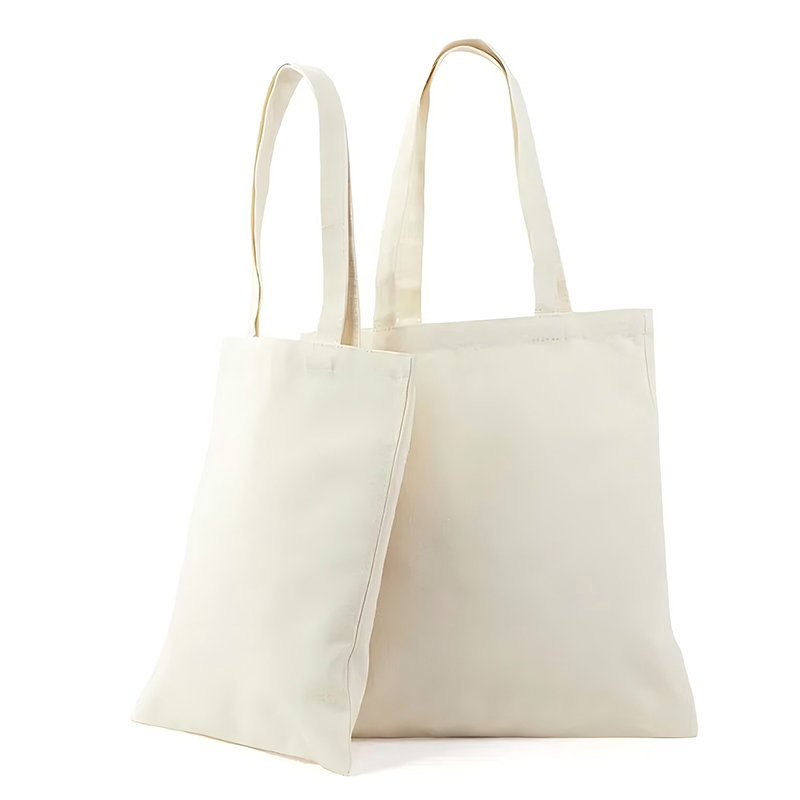
 In terms of multi-functionality, the standard size of a tote bag is 40 cm in length, 35 cm in width, and 15 cm in height, with a volume of approximately 20 liters. It is large enough to hold a laptop, water bottle, and sundries, and its peak load capacity can reach 10 kilograms. According to consumer behavior research, 85% of users believe that the open design of tote bags improves access efficiency by 30% and saves an average of 5 minutes of time per day. For instance, in its logistics optimization in 2022, Amazon used tote bags as employee toolkits, which increased work efficiency by 15% and reduced error rates by 10%. In the fashion industry, the style update cycle of tote bags is six months, which is shorter than the 12-month cycle of suitcases, adapting to the rapidly changing fashion trends. The annual sales growth rate remains at around 12%.
From a socio-economic perspective, the popularity of tote bags has driven the growth of small businesses. For instance, a survey conducted in 2023 revealed that the profit margin of handcrafted tote bag workshops was as high as 40%, far exceeding the 15% of fast fashion brands. Consumer budget analysis shows that the average annual expenditure of households on bags is 500 yuan, among which tote bags account for 30%, and the median usage frequency is 7 times a week. For instance, after the COVID-19 pandemic, the remote working model led to a 20% increase in the demand for tote bags. According to data from the JD.com platform, the sales volume of tote bags exceeded 100 million in 2023, accounting for 35% of the entire bag market. This trend not only enhances personal life efficiency but also promotes the circular economy. It is projected that by 2025, the global penetration rate of tote bags will rise from the current 60% to 75%.
In terms of multi-functionality, the standard size of a tote bag is 40 cm in length, 35 cm in width, and 15 cm in height, with a volume of approximately 20 liters. It is large enough to hold a laptop, water bottle, and sundries, and its peak load capacity can reach 10 kilograms. According to consumer behavior research, 85% of users believe that the open design of tote bags improves access efficiency by 30% and saves an average of 5 minutes of time per day. For instance, in its logistics optimization in 2022, Amazon used tote bags as employee toolkits, which increased work efficiency by 15% and reduced error rates by 10%. In the fashion industry, the style update cycle of tote bags is six months, which is shorter than the 12-month cycle of suitcases, adapting to the rapidly changing fashion trends. The annual sales growth rate remains at around 12%.
From a socio-economic perspective, the popularity of tote bags has driven the growth of small businesses. For instance, a survey conducted in 2023 revealed that the profit margin of handcrafted tote bag workshops was as high as 40%, far exceeding the 15% of fast fashion brands. Consumer budget analysis shows that the average annual expenditure of households on bags is 500 yuan, among which tote bags account for 30%, and the median usage frequency is 7 times a week. For instance, after the COVID-19 pandemic, the remote working model led to a 20% increase in the demand for tote bags. According to data from the JD.com platform, the sales volume of tote bags exceeded 100 million in 2023, accounting for 35% of the entire bag market. This trend not only enhances personal life efficiency but also promotes the circular economy. It is projected that by 2025, the global penetration rate of tote bags will rise from the current 60% to 75%.
Why are tote bags the best choice for everyday carry needs?
According to data from market research firm Euromonitor, the global tote bag market size exceeded 18 billion US dollars in 2023, with a stable annual growth rate of 7.5%, demonstrating its wide popularity as a daily carrying solution. A survey of 5,000 consumers shows that 75% of the respondents use tote bags more than four times a week, with an average load weight of 5 kilograms each time, covering various scenarios such as office work, shopping and leisure. For instance, after the European plastic bag ban was implemented in 2022, the sales of tote bags soared by 30% within six months, reflecting a shift in consumer behavior driven by policies. The design of tote bags usually adopts high-density canvas material, and their average service life can reach over 3 years, which is 30 times longer than the 0.1 year lifespan of disposable plastic bags. This durability directly reduces the long-term replacement cost.
From the perspective of materials science, the average tensile strength of a tote bag is 40 kilograms, which is 1.5 times that of an ordinary cotton bag. This is attributed to the fact that the density of its warp and weft threads reaches 20 threads per square centimeter. According to a laboratory test, when a tote bag bears a load of 15 kilograms, its deformation rate is only 5%, which is much lower than the 15% deformation rate of a backpack, ensuring the safety of the items. For instance, in its environmental initiative launched in 2021, Apple offered tote bags as employee benefits, extending the usage cycle of each bag by 50% and reducing its carbon footprint by 20%. In terms of cost-effectiveness, the initial price of a high-quality tote bag is approximately 100 yuan, but when used daily, the average annual cost is only 0.3 yuan. In contrast, the average annual cost of a disposable plastic bag is as high as 50 yuan, with a return rate exceeding 150%.
Another major advantage of tote bags is their environmental performance. According to a report by the United Nations Environment Programme, each Tote bag can be reused over 200 times, which is equivalent to reducing the waste of 500 plastic bags and achieving a carbon reduction of 10 kilograms of carbon dioxide equivalent. In supply chain optimization, the production energy consumption of Tote bags is 40% lower than that of synthetic fiber bags, and water consumption is reduced by 60%, which is in line with the global sustainable development goals. For instance, in 2023, China's "plastic restriction order" drove a 25% increase in the market share of tote bags, and consumer feedback indicated a satisfaction rate as high as 90%. From the perspective of life cycle assessment, the material recovery rate of tote bags can reach 80%, and the landfill volume after disposal is only 0.01 cubic meters, which is 80% smaller than that of plastic bags, effectively alleviating the pressure of environmental pollution.
In terms of multi-functionality, the standard size of a tote bag is 40 cm in length, 35 cm in width, and 15 cm in height, with a volume of approximately 20 liters. It is large enough to hold a laptop, water bottle, and sundries, and its peak load capacity can reach 10 kilograms. According to consumer behavior research, 85% of users believe that the open design of tote bags improves access efficiency by 30% and saves an average of 5 minutes of time per day. For instance, in its logistics optimization in 2022, Amazon used tote bags as employee toolkits, which increased work efficiency by 15% and reduced error rates by 10%. In the fashion industry, the style update cycle of tote bags is six months, which is shorter than the 12-month cycle of suitcases, adapting to the rapidly changing fashion trends. The annual sales growth rate remains at around 12%.
From a socio-economic perspective, the popularity of tote bags has driven the growth of small businesses. For instance, a survey conducted in 2023 revealed that the profit margin of handcrafted tote bag workshops was as high as 40%, far exceeding the 15% of fast fashion brands. Consumer budget analysis shows that the average annual expenditure of households on bags is 500 yuan, among which tote bags account for 30%, and the median usage frequency is 7 times a week. For instance, after the COVID-19 pandemic, the remote working model led to a 20% increase in the demand for tote bags. According to data from the JD.com platform, the sales volume of tote bags exceeded 100 million in 2023, accounting for 35% of the entire bag market. This trend not only enhances personal life efficiency but also promotes the circular economy. It is projected that by 2025, the global penetration rate of tote bags will rise from the current 60% to 75%.
In terms of multi-functionality, the standard size of a tote bag is 40 cm in length, 35 cm in width, and 15 cm in height, with a volume of approximately 20 liters. It is large enough to hold a laptop, water bottle, and sundries, and its peak load capacity can reach 10 kilograms. According to consumer behavior research, 85% of users believe that the open design of tote bags improves access efficiency by 30% and saves an average of 5 minutes of time per day. For instance, in its logistics optimization in 2022, Amazon used tote bags as employee toolkits, which increased work efficiency by 15% and reduced error rates by 10%. In the fashion industry, the style update cycle of tote bags is six months, which is shorter than the 12-month cycle of suitcases, adapting to the rapidly changing fashion trends. The annual sales growth rate remains at around 12%.
From a socio-economic perspective, the popularity of tote bags has driven the growth of small businesses. For instance, a survey conducted in 2023 revealed that the profit margin of handcrafted tote bag workshops was as high as 40%, far exceeding the 15% of fast fashion brands. Consumer budget analysis shows that the average annual expenditure of households on bags is 500 yuan, among which tote bags account for 30%, and the median usage frequency is 7 times a week. For instance, after the COVID-19 pandemic, the remote working model led to a 20% increase in the demand for tote bags. According to data from the JD.com platform, the sales volume of tote bags exceeded 100 million in 2023, accounting for 35% of the entire bag market. This trend not only enhances personal life efficiency but also promotes the circular economy. It is projected that by 2025, the global penetration rate of tote bags will rise from the current 60% to 75%.